


A sieve is a humble tool. Flour goes in lumpy and comes out fine, and the lumps stay behind on the screen, along with the odd pebble that would have cracked a tooth. The screen holds back what would spoil the bread, and nobody calls it unkind.
Words pass through us the way flour passes through a screen, only faster, and most of us have never held anything up to catch what is coming. There is an old teaching that gives you three screens, one after another. Is it true? Is it kind? Is it necessary?
Each one catches something different. The first, Is it true?, catches what you do not actually know: the guess dressed up as fact or the story you built about why she was late, what he must have meant. The second, Is it kind?, catches the cut, the sentence whose only job is to land. The third, Is it necessary?, catches the hardest thing to catch, because it has already passed the other two. It is true and even kind, and nobody needed it said.
The teaching gets handed to the Buddha, to Socrates, to Rumi. The Buddha version borrows from the Abhaya Sutta, where he tells a prince how he decides what to say: true, beneficial, and said at the right time. The three questions themselves are not in it. The Socrates version carries a story about a man with gossip to share and a stack of questions to pass first. The Rumi version talks about three gates. Neither comes with a book you can point to. The oldest trace is a minister’s advice to the people around him, written down by his son in 1857, and it has traveled from mouth to mouth ever since. A teaching that old and that anonymous belongs to whoever is willing to use it, and that includes you.
Hold the three questions up to your parts and they begin to sort themselves. Whoever runs the first screen may need very much to be right. Whoever runs the second may be afraid of being left. Whoever runs the third has probably been tired for years, tired of listening to everyone say things that did not need saying, or tired of being the one who says them. Ask them. They have opinions.
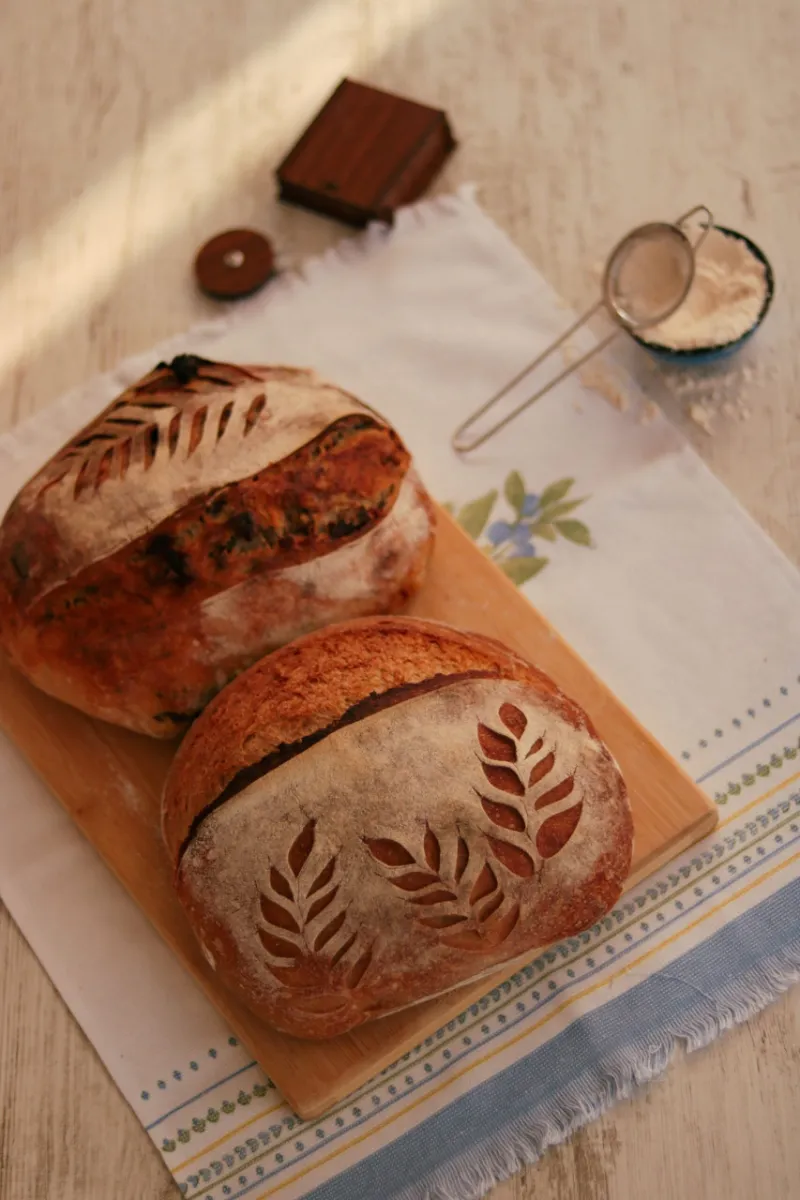
The screens only work if you catch the sentence before it has baked into bread. See what your body does just before a sentence leaves: a swallow, a foot that starts to bounce, your weight shifting forward onto your toes, a mouth gone dry. Or something else entirely. Whatever your tell is, it is the moment to reach for the sieve.
Try it on paper first. Write the sentence you want to say, the whole furious, frightened, wounded, tender thing, then run it through the three questions one at a time and look at what is left on the screen. The leftovers are information. They show you what you were carrying into the room.
The sieve has limits. Sometimes the true thing is uncomfortable and unwelcome, and kind has to mean more than gentle. Sometimes a word passes all three screens and lands hard anyway, because the one hearing it has some old wound they are carting around like a dragon in a knapsack, ready to rear its head at the slightest provocation.
And the sieve belongs to your own flour. Held up to someone else’s words it becomes a way of silencing them, and plenty of people have been sifted out of saying what they needed to say.
Keep the screen close. Let it catch what it catches. What goes through is what you can stand behind.
May you sift before you speak.
May what the sieve holds back teach you something.
May what passes through the sieve be fit for the table.
May your words feed whoever hears them.