

The flip side of comparing ourselves to others and finding ourselves ‘less than’ is comparing ourselves to others so we can feel superior. Here too, the way to work with our comparing states is not through judgement but compassion.
It is not simply righteousness and pomposity that motivates an ‘I’m better than you’. Both the self-deprecating ‘I’m not enough’ and the superior ‘I’m better than you’ are rooted in the same insecurity, unworthiness and fear.
The part that says I’m better than you is not the confident one. Confidence does not need to run comparisons. This part is doing surveillance: checking my rank in the room, making sure I am not the one who gets found wanting. It is the same frightened part as the other one. It has only picked a louder strategy.
So we pause. We become mindful of the judgement that reinforces the illusion of separateness between us and the other, and we recognize that underneath it is a tender, vulnerable part that needs to shore itself up. If we were truly secure in ourselves, there would be no need for comparison at all.
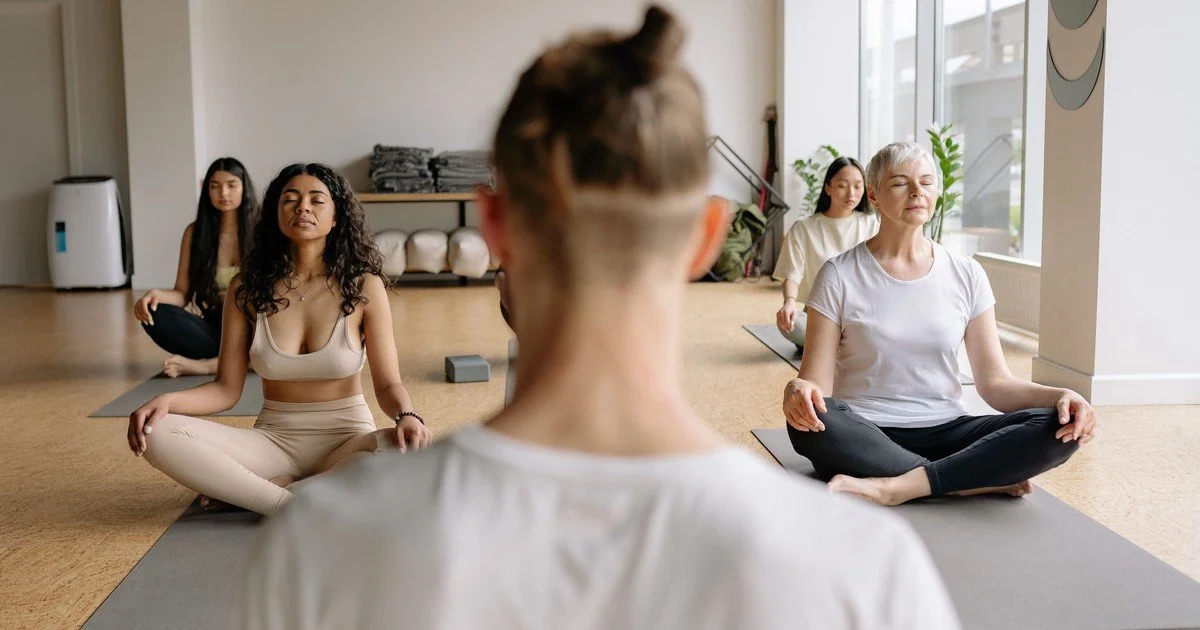
As a bit of an alpha-dog, leader type, I catch myself doing this more often than I care to admit. I’ll be in a yoga class with a teacher half my age who is teaching from a physical, rather than a spiritual, orientation, and I catch myself in a critique, a quick conviction that I could do it better.
It does not announce itself as anger or as pride. What happens first is a shift in where I am looking from. I go back behind my own eyes, watching the room from somewhere further in rather than meeting it. There is a disconnection, and then I notice my heart is no longer open. The judgement arrives after that. By the time I have the words I could do this better, I have already left.
Then I pause, and I note what is rooting the judgement. Perhaps it is some underlying insecurity, perhaps it is a need for a spiritual deepening that this class isn’t meeting. I breathe, and I remind myself: At this moment, I am the student. At this moment, this twenty-five-year-old is my teacher. What is it I am here to learn from her?
I surrender into my soft spaces and soften into vulnerability and humility. My hard edges yield, and I reconnect, with the instructor, and with my deeper Self. And as is usually the case, I become more peaceful and grounded. That is ultimately what mindfulness and Maitri practice are for.
This does not always work, and I do not always do it. Sometimes I stay inside the critique for the whole class, and I leave having learned nothing, and the only thing I have accomplished is being right about a stranger. What I notice now, at this age, is mostly what that costs me: how much smaller a room gets when I am the tallest thing in it.